DESCRIPTION
Resistance Temperature Detectors (RTDs) are temperature sensors designed to provide highly accurate, stable, and repeatable temperature readings. Using the principle that the electrical resistance of certain metals increases predictably with temperature, RTDs are widely regarded as one of the most reliable methods for temperature measurement in industrial and scientific applications.
WORKING PRINCIPLE
RTDs operate on a simple yet effective principle:
- As the temperature of the RTD’s resistive element (typically platinum) increases, its electrical resistance rises.
- The resistance is measured in ohms and converted into a temperature reading using standard calibration curves.
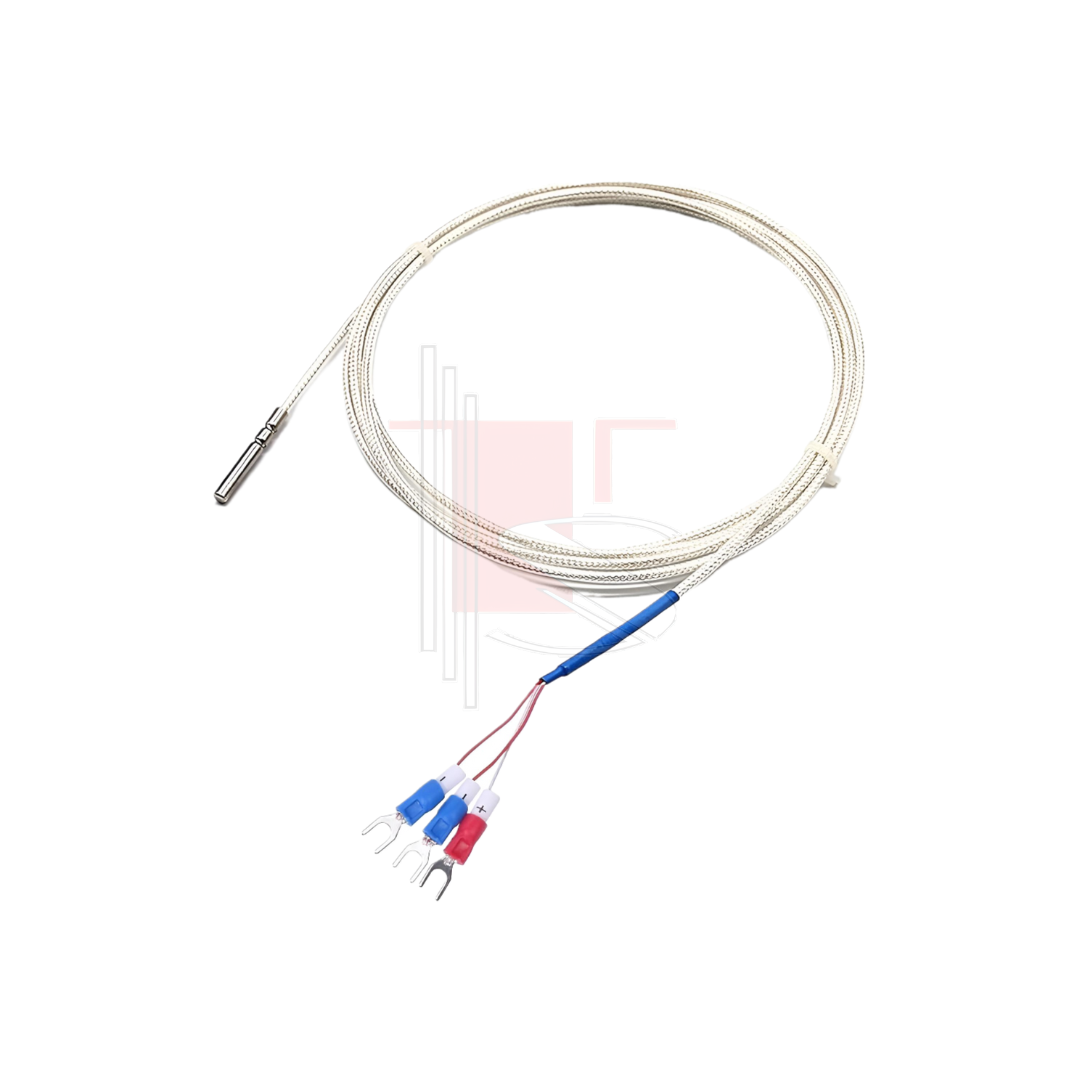
- RTDs are often equipped with 2, 3, or 4 wire configurations, with the 3-wire and 4-wire setups designed to eliminate lead resistance errors for greater measurement accuracy.
TYPES OF RTD SENSORS

- Wire-Wound RTD Sensors:
• Constructed with fine platinum wire wound around a ceramic or glass core.
• Offers high accuracy over a broad temperature range.
• It is ideal for applications requiring precise and stable measurements.
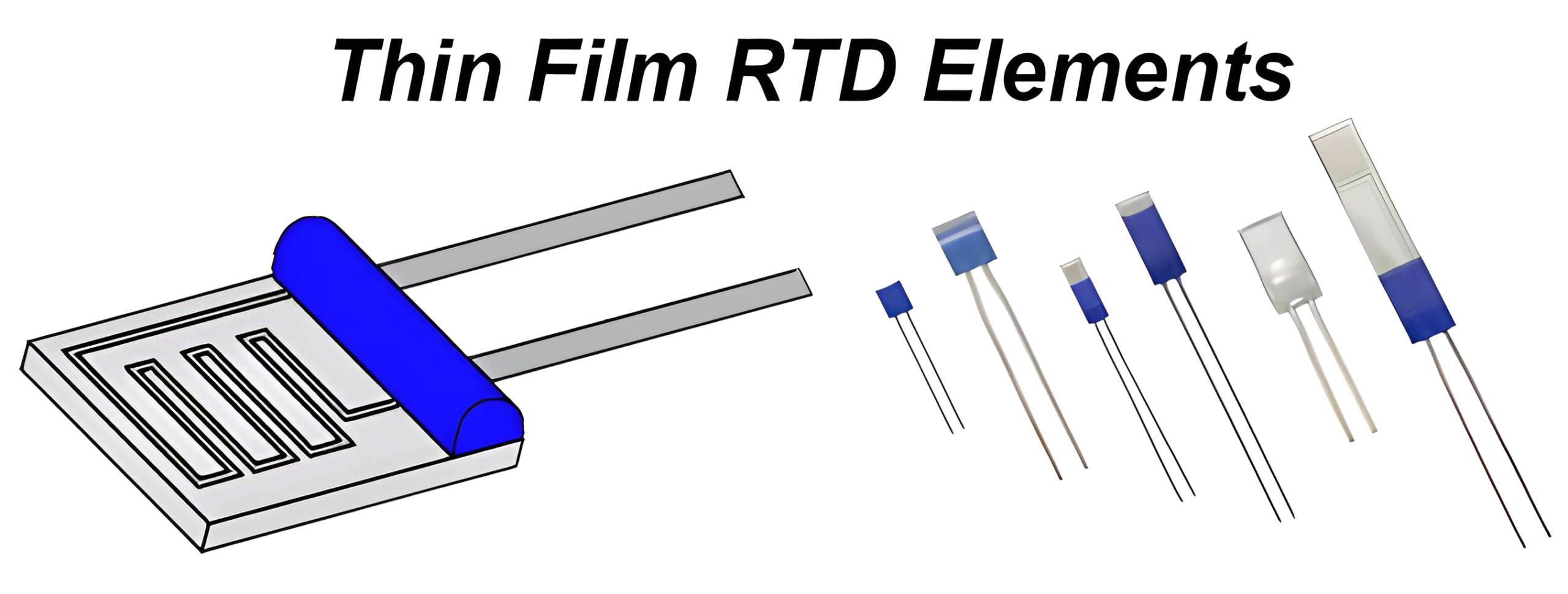
- Thin-Film RTD Sensors:
• A thin layer of platinum is deposited on a ceramic substrate.
• Compact and cost-effective design, suitable for vibration-prone environments.
• Widely used for spot temperature measurements and industrial processes.
BENEFITS OF RTD SENSORS
- High Accuracy: RTDs provide precise temperature readings with minimal deviation, making them ideal for critical applications where accuracy is paramount.
- Excellent Stability: Known for their long-term reliability, RTDs maintain consistent performance and resist drift over time, even in challenging environments.
- Durable and Robust: Built with high-quality materials such as 316 stainless steel, RTDs resist corrosion, vibration, and mechanical stress, ensuring long-lasting performance in harsh environments.
- Noise Resistance: RTDs are inherently resistant to electrical interference, making them suitable for use in environments with motors, generators, or high-voltage equipment.
- Customizable Designs: Available in various configurations, including 2-wire, 3-wire, or 4-wire systems, RTDs can be tailored to meet specific application requirements.
- Energy Efficient: RTDs operate without external power, making them an efficient and reliable choice for remote monitoring.
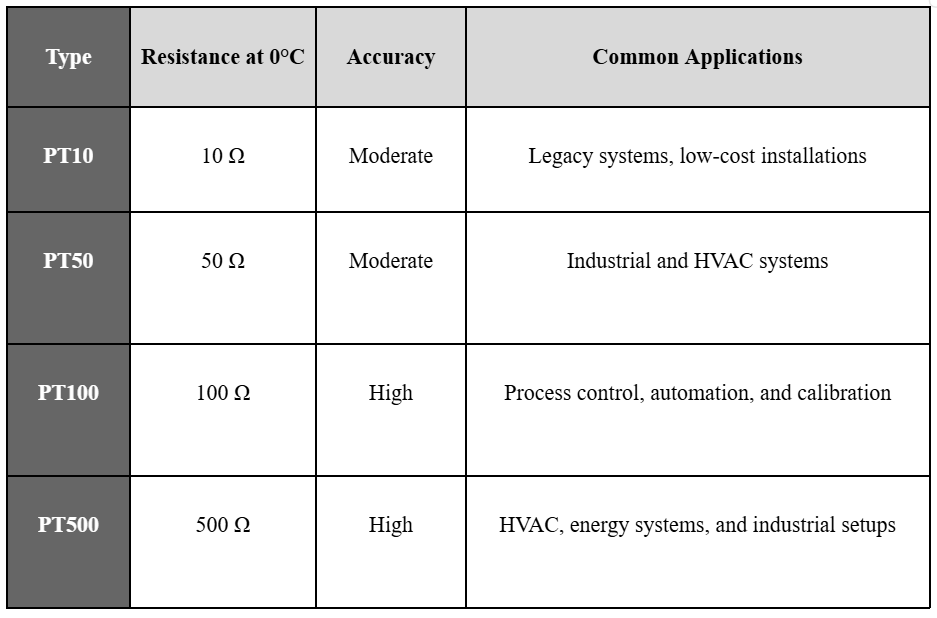
COMPARISON OF RTD SENSORS