DESCRIPTION
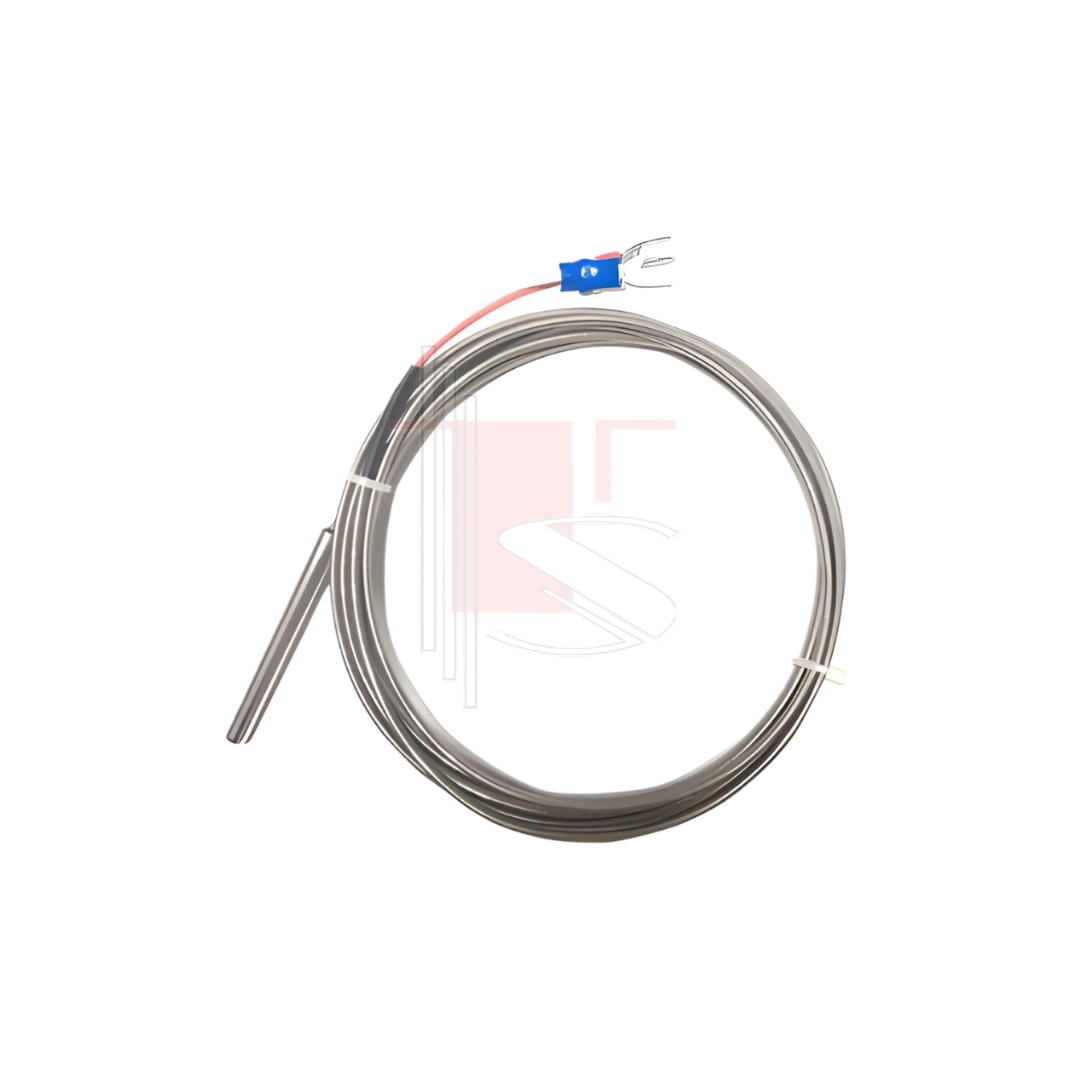
Mineral Insulated (MI) Thermocouple are highly durable temperature sensors designed for demanding industrial applications. Constructed with a metal sheath and densely packed magnesium oxide insulation, these cables provide superior thermal conductivity while protecting the internal thermocouple elements from mechanical damage, corrosion, and environmental contamination. Their flexibility allows for easy installation in complex systems, making them suitable for various applications requiring precise and reliable temperature measurements.
APPLICATIONS
- Industrial Furnaces & Kilns: Reliable temperature monitoring in high-temperature environments.
- Power Plants: Used in boilers, turbines, and piping systems to ensure operational efficiency.
- Chemical & Petrochemical Processing: Resistant to corrosion and capable of measuring extreme process temperatures.
- Aerospace & Automotive Engineering: Used in test rigs and engine diagnostics.
- Pharmaceutical & Food Processing: Ensures temperature accuracy in sterilization and processing applications.
ADVANTAGES
- High-Temperature Resistance: Can withstand temperatures up to 1250°C
- Exceptional Mechanical Strength: Rugged metal sheath protects against mechanical damage and environmental exposure.
- Superior Flexibility: Can be bent and shaped for easy installation in restricted spaces.
- Fast Thermal Response: Magnesium oxide insulation ensures excellent thermal conductivity for quick and accurate readings.
- Corrosion & Oxidation Resistance: Suitable for harsh environments, reducing maintenance and replacement frequency.
- Versatile Design Options: Available in multiple sheath materials, diameters, and thermocouple types to suit various industrial needs.
WORKING PRINCIPLES
- A thermocouple is a temperature sensor made of two wires of dissimilar metals joined at one end, working based on the Seebeck effect.
- The Seebeck effect describes the generation of a differential voltage due to variations in electrical conductivity between two materials.
- When the junction of the two metals is exposed to a temperature difference, an electromotive force (EMF) is generated to measure the temperature.
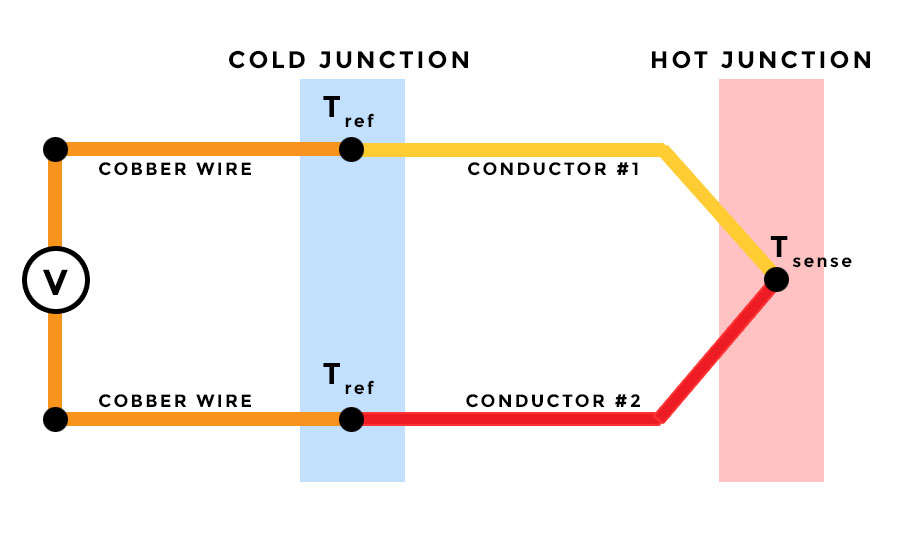
- Hot Junction: Exposed to the target temperature (e.g., a furnace or industrial process).
- Cold Junction: Connected to a stable reference point, usually at ambient or known temperature (e.g., an instrument terminal).
- As an electric current flows through the junction of the two metals, differences in conductivity and resistance result in a measurable voltage.
- This voltage is proportional to the temperature difference (ΔT) between the hot and cold junctions.
- Both metals heat up at different rates, producing two distinct voltages, which the thermocouple system interprets to calculate temperature.
THERMOCOUPLE JUNCTION TYPES
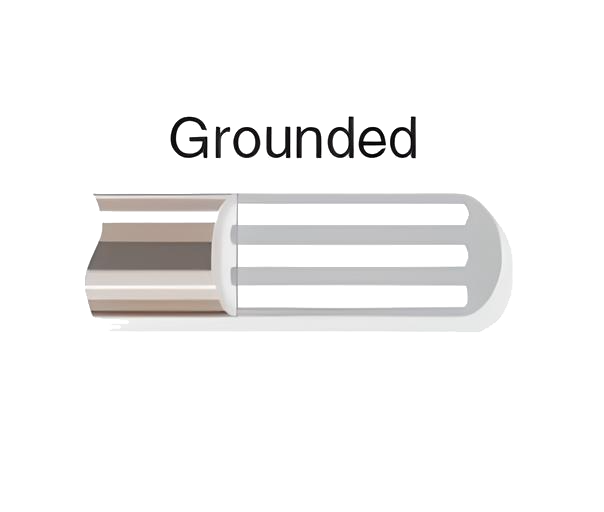
- Grounded:
• The junction is welded directly to the sheath for fast response.
• Best for applications like high-pressure steam or corrosive fluids.
• Advantages: Rapid response to temperature changes.
• Trade-off: Susceptible to electrical noise and ground loops, which can interfere with accurate readings.
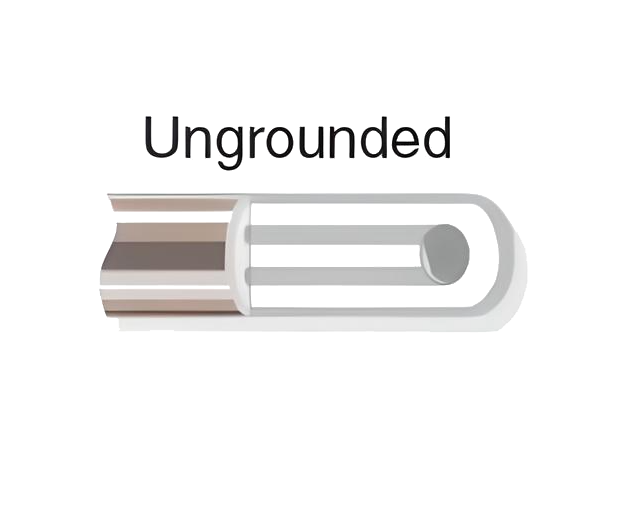
- Ungrounded:
• The junction is electrically isolated using insulation, and not touching the edges.
• Advantages: Immune to ground loops, offering stable and accurate readings.
• Trade-off: Slower response time as heat must transfer through the insulation.
• Ideal for sensitive applications like chemical reactors.
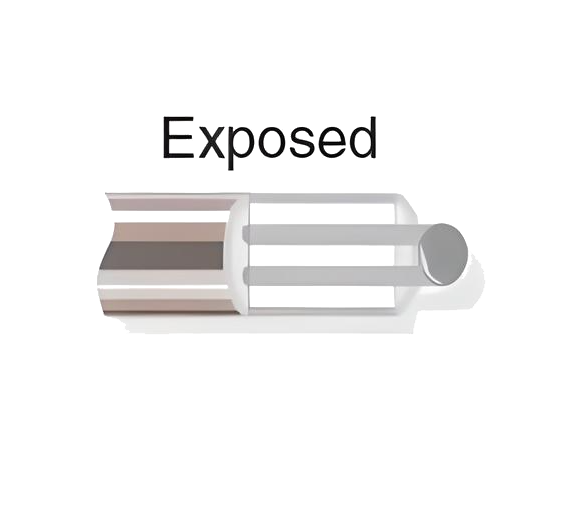
- Exposed:
• The junction is bare and unprotected by a sheath.
• Advantages: Fastest response time (as low as ~10 ms).
• Trade-off: Limited to clean, non-corrosive environments (e.g., air ducts) and prone to wear and tear.
• Not suitable for harsh or corrosive environments.